Telling Technology · Learning in public
All episodes
EP.129 - VOICE LINKS
A Claude Code workflow · voice with receipts

My voice AI answers out loud, then hands me the links

I ask “what was I doing on the Regelkartan?” and it tells me. Under the spoken answer, chips appear: the exact Claude Code session and the todo it just mentioned. One tap and I am back inside the work.

A teal sound wave on a near-black background that breaks apart on the right into three small rounded chips, each with a teal dot and a chevron
⌁ 1 spoken answer · up to 4 chips · 0 URLs written by the model
first: why a spoken answer is a dead end
01 The pain

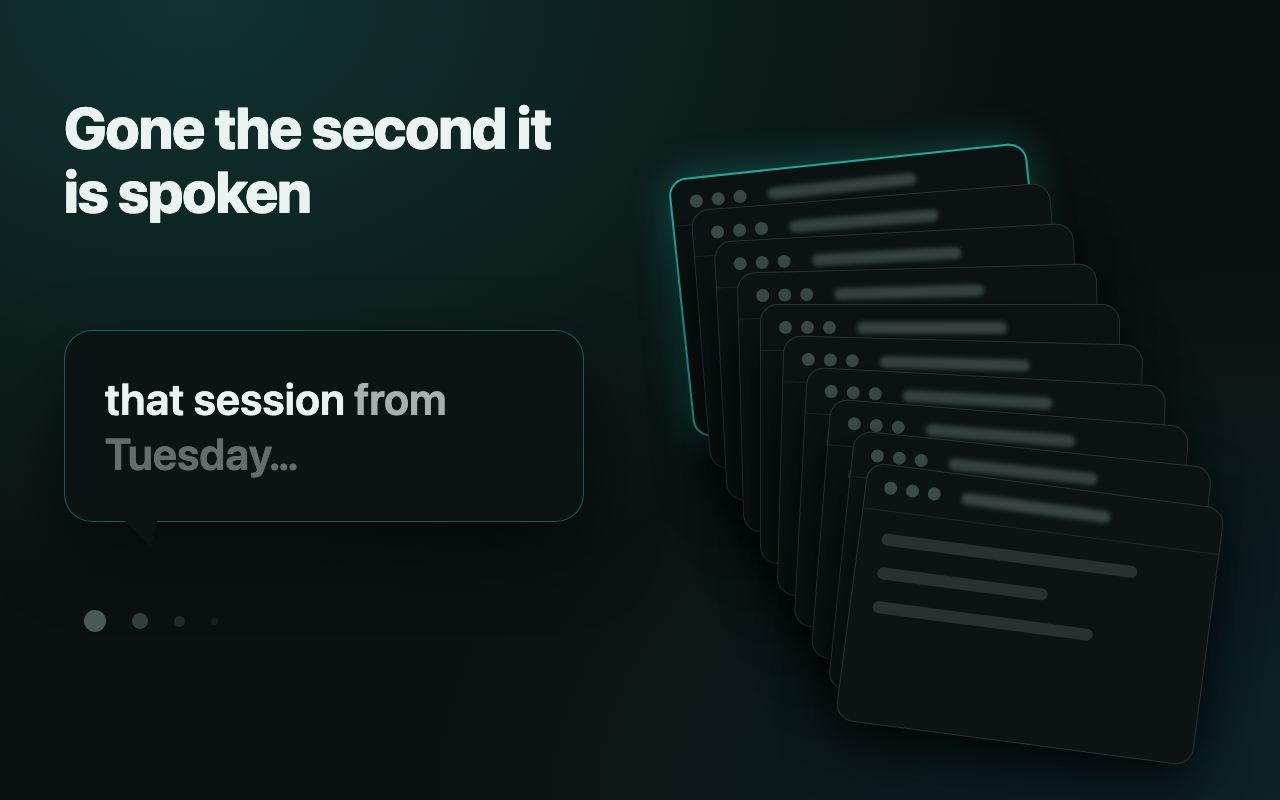
A spoken answer is gone the second it is spoken

The voice assistant on my Mac mini answers from a brief of my last 48 hours: every Claude Code session, every open todo (the brief that stopped it inventing answers). The answers are good now. Then it says “the session where you were fixing the export”, the sentence is over, and I am digging through my terminals and a todo list for the thing it just named. The answer was right. It just gave me nothing to click.

claude code - desktop · paraphrased
> when the voice AI names a session or a todo, put a link to it under the answer. tap it and I’m back in that session
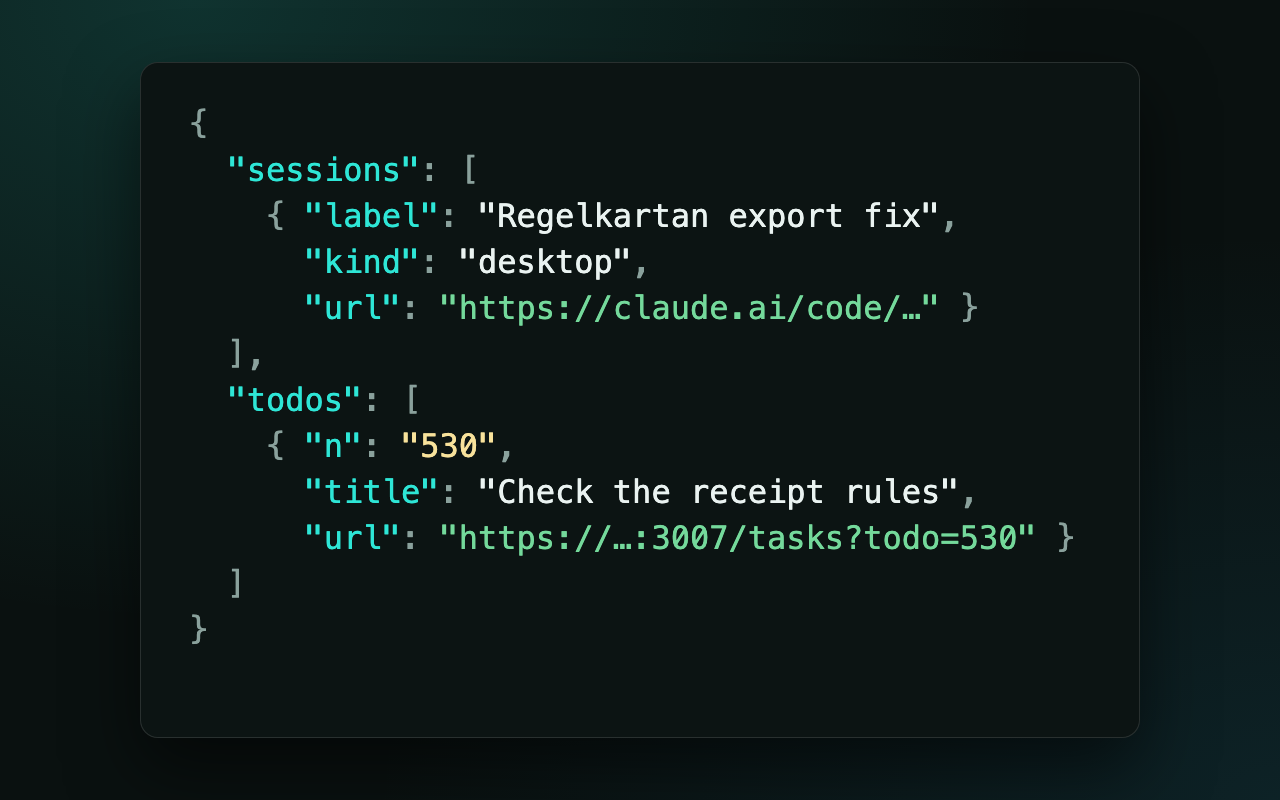
Two halves. The brief builder already knows every session and todo it describes, so it also writes a links.json next to the brief. The talk server then matches each finished reply against that list and sends the hits with the done line. The page draws them as chips. The model itself never sees a URL.
A speech bubble saying the session from Tuesday fades out on the left, while on the right a stack of ten overlapping dark terminal windows hides the one that matters
heard it, can’t click it
the voice names it, you go find it
02 The brief

Every session and todo gets an address

build_voice_brief.py runs on my main server, where the transcripts live. For each session it reads the transcript and keeps the newest claude.ai/code link that Remote Control wrote into it, so a desktop session opens on any device and carries on. It reads only the bytes added since the last run. A session started from Telegram links to the bot chat instead, because that is where it resumes. Every todo links to its page on my 3007 dashboard. The result is one small links.json, copied to the mini next to the brief, and only when it changed.

claude code - desktop · paraphrased
> some todos aren’t in the dashboard database yet. what do those link to?
A todo the Core already holds opens by its id, /tasks?open=<id>. One it hasn’t imported yet opens by its number, /tasks?todo=<num>, and the dashboard syncs the todo list on that visit. So every todo in the brief gets a link, not just the imported ones.
A dark code panel with a short JSON excerpt: a sessions list with label, kind and a claude.ai/code url, and a todos list with number, title and a dashboard tasks url, with ids shortened
links.json
sessions → claude.ai/code or the bot · todos → 3007
03 The match

Rare words name things. Common words name nothing.

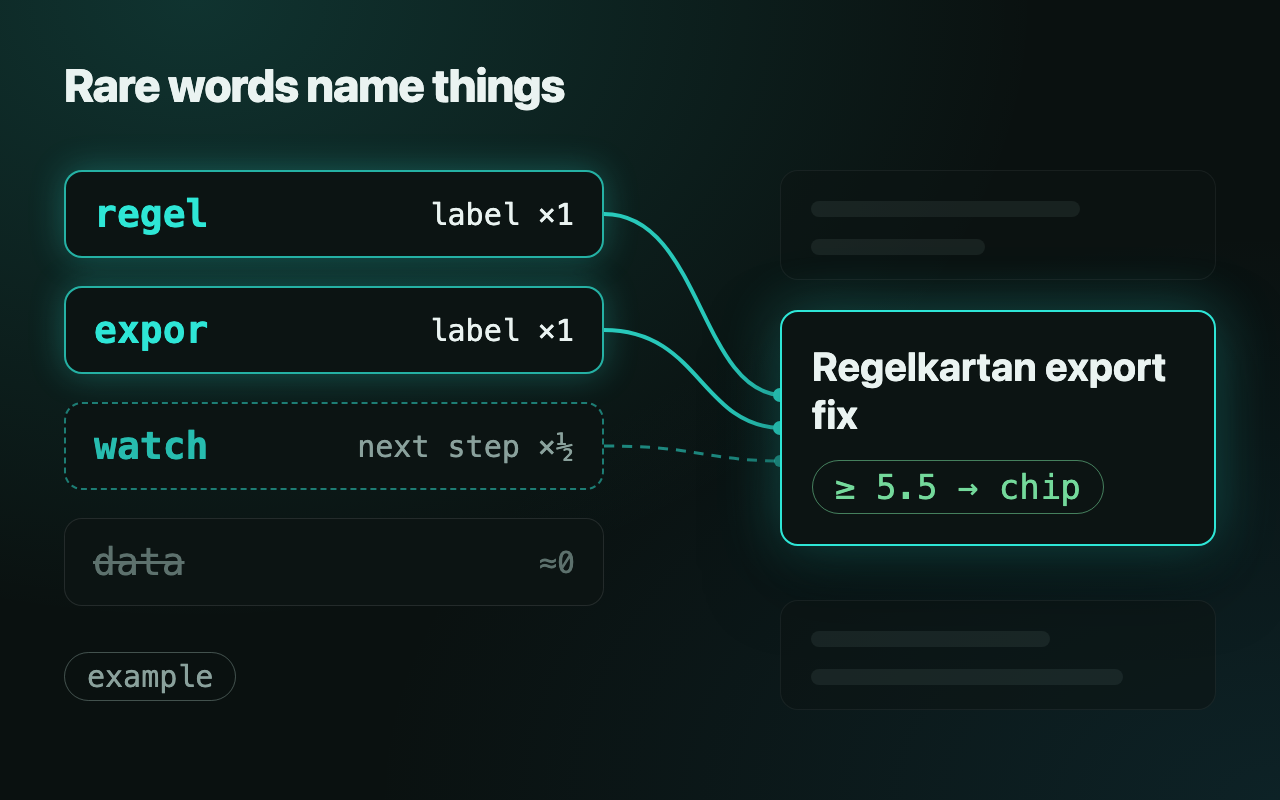
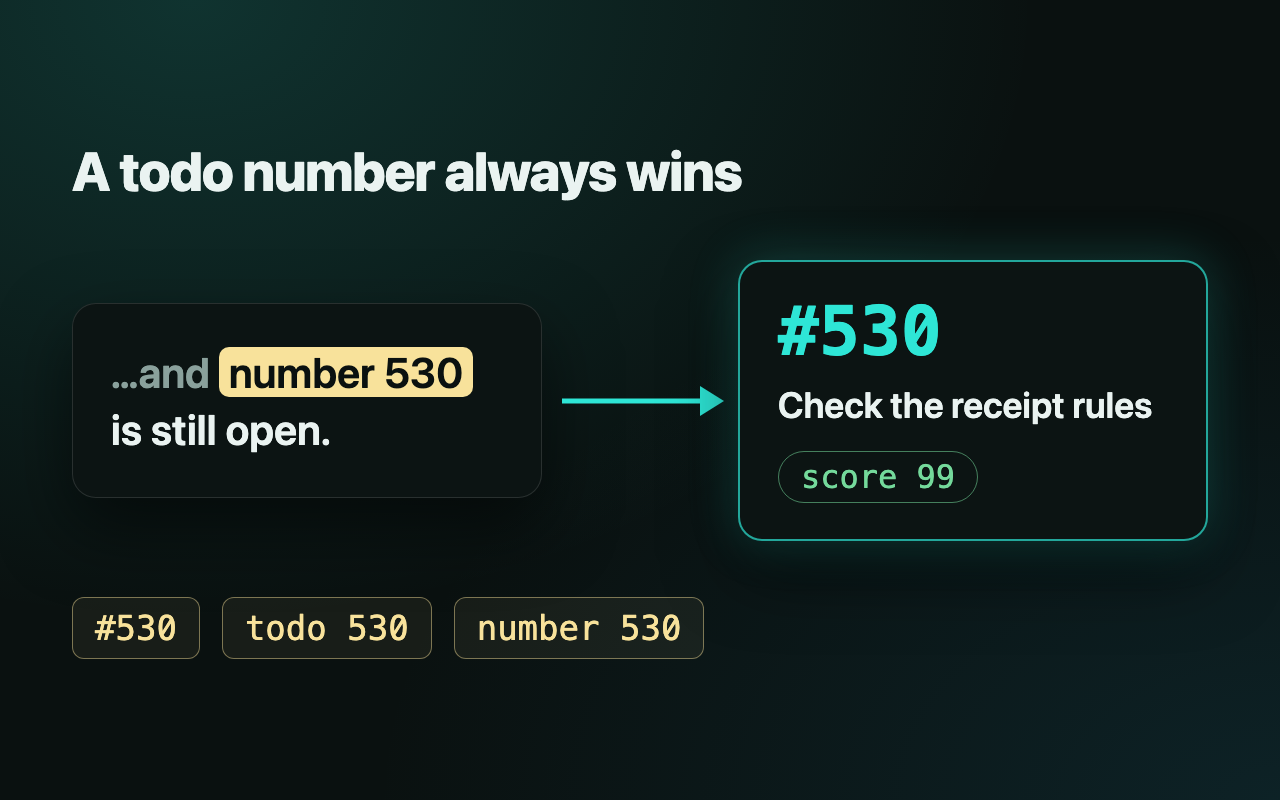
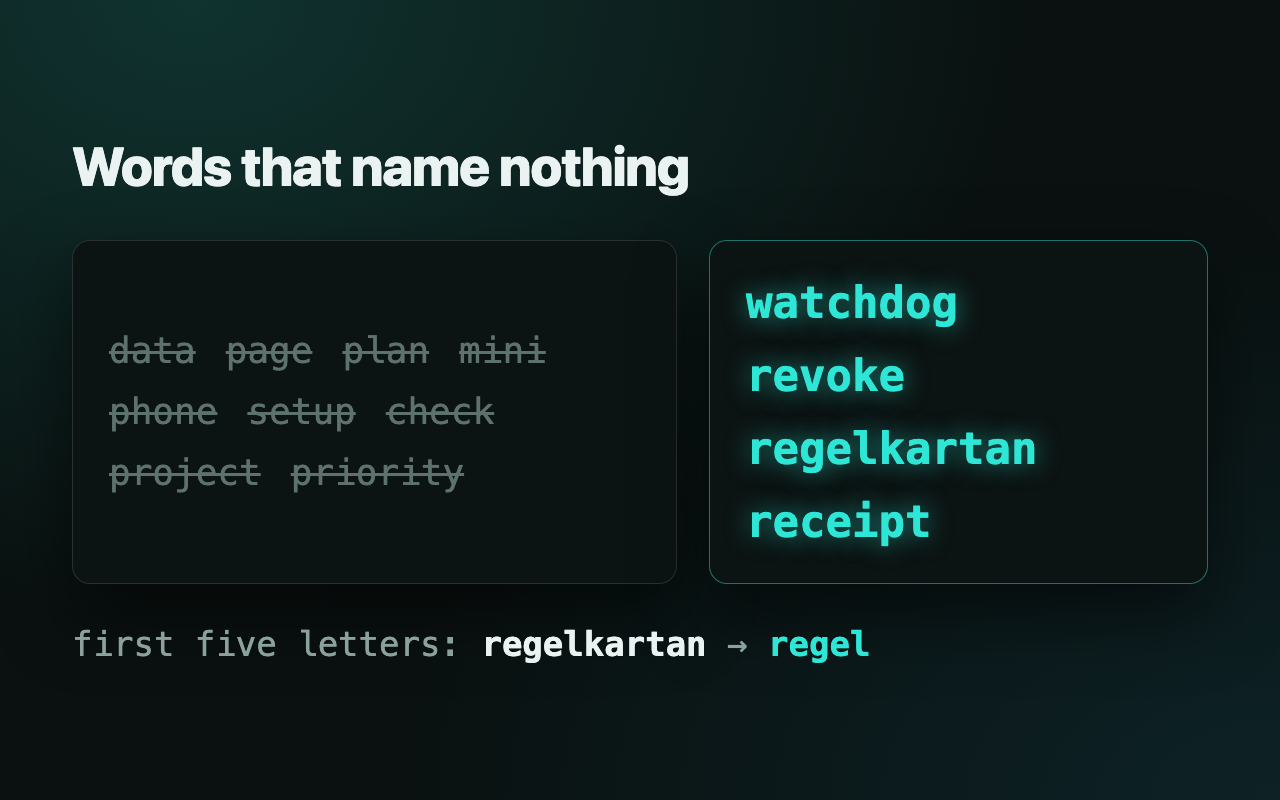
After each reply, the talk server decides which items the answer was about. A todo number wins outright: #530, “todo 530” or “number 530”. Everything else is scored sentence by sentence. A word that appears on few lines of the brief, like “watchdog” or “revoke”, points at one thing; a word on many lines, like “data”, points at nothing. So each shared word counts by its rarity (idf over the brief’s own lines), words from the session’s label count fully and words from its next step count half. It takes two shared words and a minimum score to make a chip, and four chips at most.

claude code - desktop · paraphrased
> why not just ask the model which sessions it meant?
Because then the model writes the links, and a model that writes links can invent one. This way it only speaks; plain Python picks from a list that exists. Worst case is a missing chip, never a dead link. The question counts too: the match runs over what you said + what it said.
Example diagram: word stems from one spoken sentence; regel and expor from the session label count fully, watch from its next step counts half, data is greyed out near zero, and the glowing stems connect to one session card that lights up
idf over the brief
example: two rare words in one sentence make a chip
⚠️

The bug it found in its own brief

Each session gets a short topic label from Claude Haiku, written once by a claude -p run and cached. Those labelling runs are Claude Code sessions too, and their prompt quotes Telegram messages, so the builder filed its own housekeeping as Telegram sessions in the brief. The voice AI would have offered me chips to chats I never had. One check now marks any session that starts with the labelling prompt as automatic, not Telegram.

04 The details

chips, numbers, stop words, pause

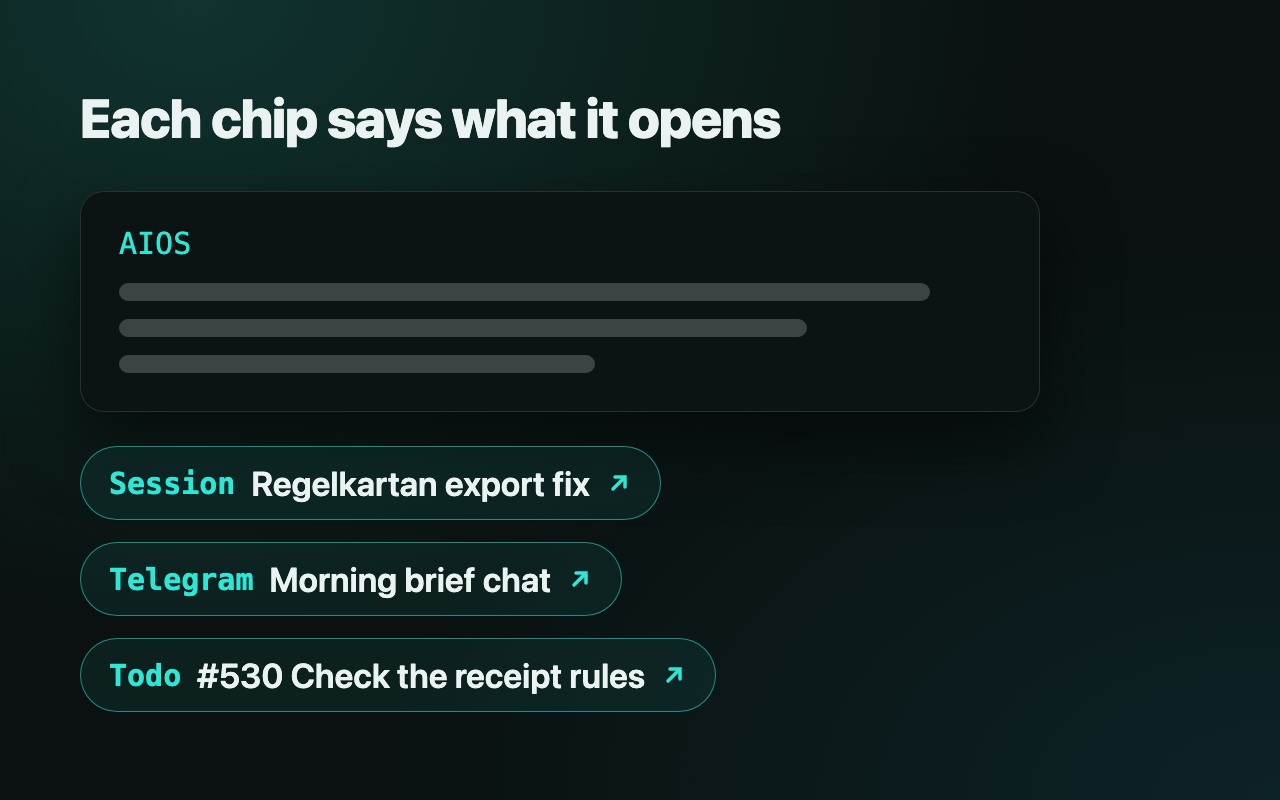
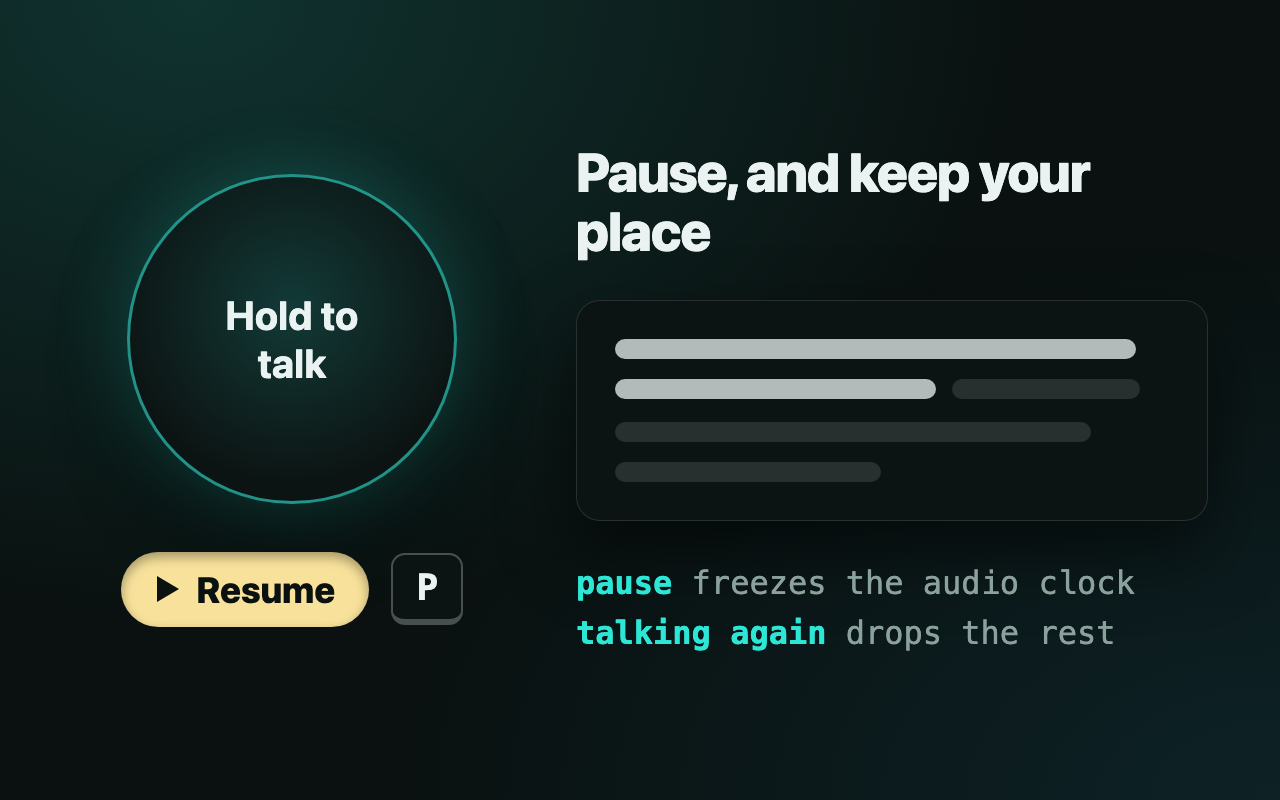
Small rules decide whether a chip feels right or random. Chips only render for https links, and each says what it opens: Session, Telegram or Todo. Everyday words that are rare in the brief but name nothing on their own sit on a stop list. And because a spoken answer can be long, there is now a pause button. Tap any image to enlarge it.

STAGED MOCK · INVENTED SESSION NAMES

Speech is the worst place to keep a reference

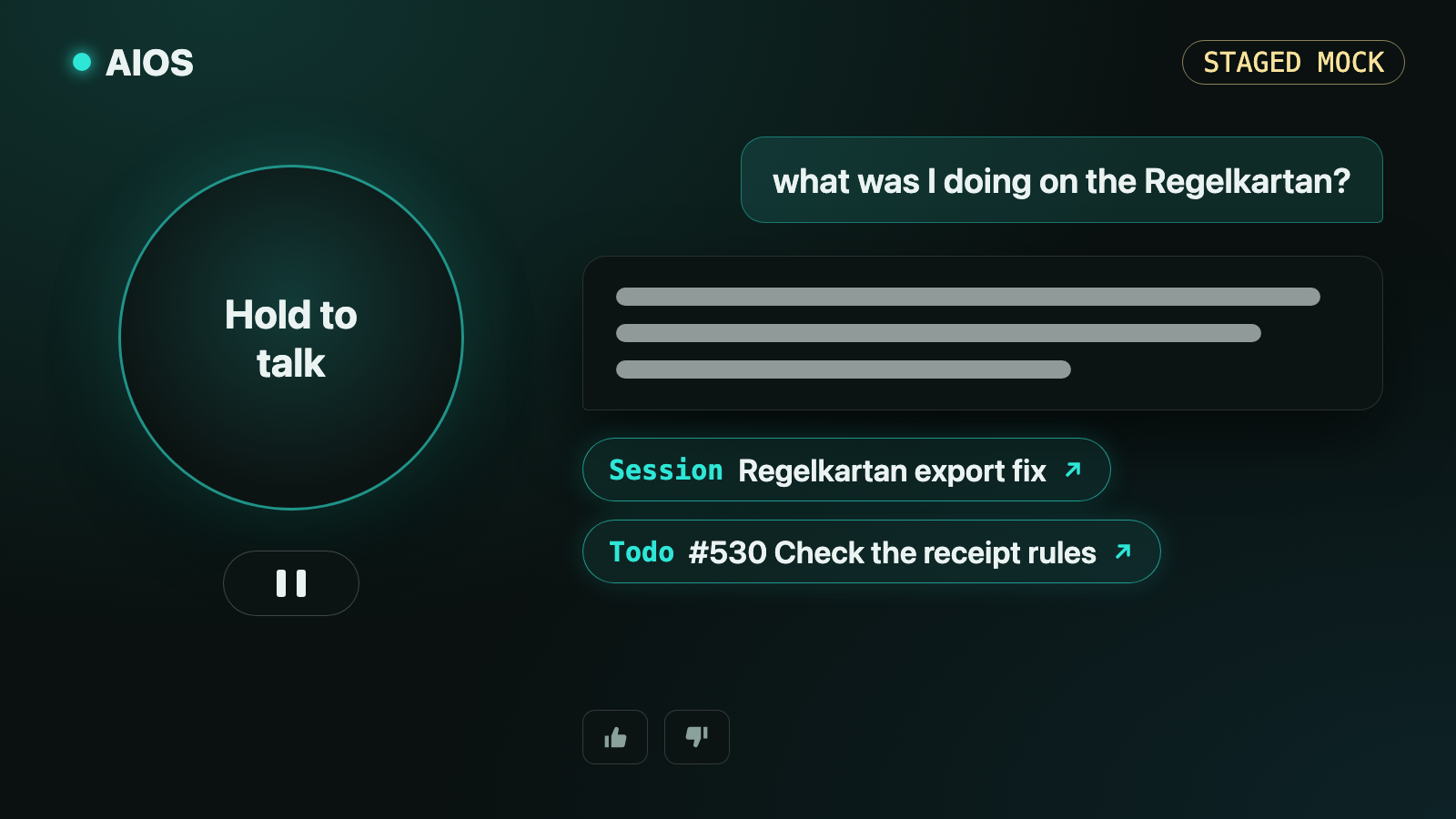
So the answer is spoken and the receipt is clickable. I ask what I was doing, I hear it in two sentences, and the chips are already there when it stops talking: the session to resume, the todo to close. Voice for the question, a link for the next move.

The talk page mid-conversation: a heard question about the Regelkartan, a spoken answer in a bubble, two chips underneath reading Session Regelkartan export fix and Todo #530, and thumbs buttons; a small corner label says staged mock
build_voice_brief.py · links.json · talk_server.py · voice_context.links_for · talk.html
06 Steal this

The spoken-answer-with-links pattern

The pattern, not my sessions: a builder that writes a links file next to the context it gives the model, an idf matcher over the brief’s own lines that turns each reply into at most four links, and a chip row that only renders https. The model never writes a URL. Everything in this episode is free and open. The code is not published yet.

skill voice-links pattern cmd links_for(reply) template links.json schema assets chip row + pause button
the shape build_voice_brief.py writes brief.md + links.json → talk server calls links_for(question + reply) after each turn → done line carries {kind, label, url} → page draws chips.